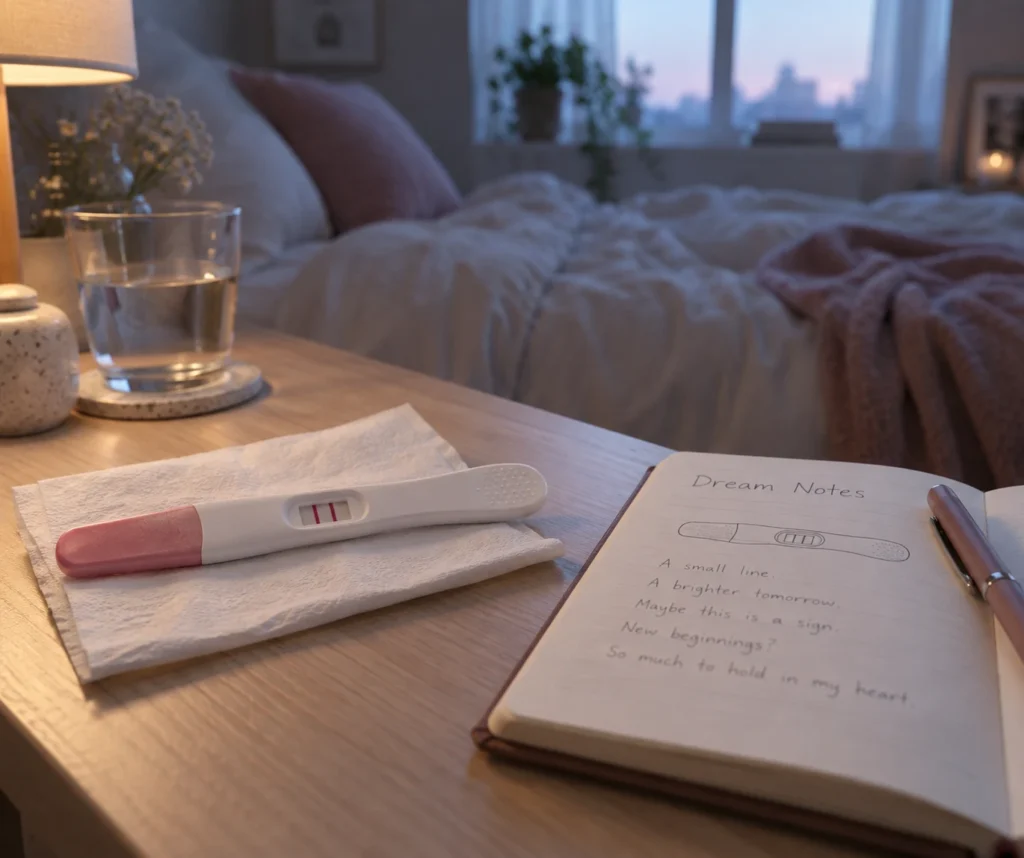
Vivid dreams while pregnant are common, but they don’t predict what will happen to your baby. They may reflect emotional changes, broken sleep, and more chances to remember dreams. Childbirth, danger, or relationship worries can appear in dreams without having a fixed meaning. If disturbing dreams keep disrupting your sleep, tell your prenatal clinician.
You might wake after dreaming you left your baby somewhere, then feel shaken for hours. That feeling deserves care, but the dream isn’t medical evidence or proof of a hidden wish.
Why are your dreams so vivid during pregnancy?
Pregnancy can change both your sleep and what’s on your mind. A dream may feel unusually intense because you remember more of it, not necessarily because you’re dreaming more.
Waking during the night helps you remember dreams
Many vivid dreams happen during REM sleep, a stage named for rapid eye movement. You also dream during other sleep stages. Waking during or soon after a dream makes it easier to remember.
Bathroom trips, heartburn, or trouble finding a comfortable position can interrupt your sleep. If you wake just after a detailed dream, its images may stay clear. You might remember a whole conversation instead of one fading scene.
Hormonal changes and emotions add context
Changing hormone levels affect your sleep, while pregnancy can bring new hopes and worries. There’s no single hormone that explains every vivid pregnancy dream.
Your concerns may also shift over time. Early on, you might dream about learning you’re pregnant or telling family. Later, birth and caring for a newborn may take more space. There’s no fixed dream schedule by trimester, and having few memorable dreams is normal too.
Common pregnancy dream themes and possible meanings
Dream themes can offer a starting point for reflection, but they don’t have universal definitions. Your feelings during the dream usually tell you more than an object or event alone.
Babies and childbirth: preparing for something unfamiliar
Dreaming about giving birth may connect with anticipation, fear of pain, or uncertainty about the delivery. If you dream about an unexpectedly easy birth, you may be imagining relief. A difficult dream birth may reflect feeling unprepared rather than predict complications.
Dreams about holding, feeding, or meeting your baby can reflect growing attachment. An unfamiliar-looking baby might simply capture the question: Who will this new person be? Dream details don’t reveal your baby’s sex or appearance.
Loss, danger, and protecting your baby: fear rather than prediction
Dreams about miscarriage, losing your baby, or failing to protect them can feel especially upsetting. They may connect with uncertainty, a previous loss, or your growing sense of responsibility.
For example, searching for a baby in a crowded store could fit a waking fear of losing control. That interpretation only helps if it matches your feelings and situation.
A frightening dream doesn’t predict miscarriage or mean you want harm to happen. Dreaming that you drop or hurt your baby doesn’t make you a bad parent. The dream alone tells you nothing about your baby’s health.
Partners, cheating, and sex: closeness and change
A dream about your partner cheating may connect with worries about support, body changes, or your changing relationship. It isn’t evidence of an affair. If you feel left alone in the dream, ask whether you need more practical help while awake.
Sex dreams during pregnancy can involve your partner, an ex, or someone unexpected. They may connect with desire, memories, curiosity, or a wish for closeness. You don’t need to treat the person in the dream as someone you secretly want.
How do you find a meaning that fits your life?
Start with your strongest feeling, then look for a waking situation with a similar feeling. This gives you a more useful reading than assigning every symbol a fixed meaning.
Personal dream interpretation means connecting a dream’s feelings and images with your own experiences, rather than treating them as predictions.
Suppose you dream that you arrive at the hospital without a bag. The useful question is Where do I feel unprepared? You might be worried about birth plans, leave from work, or getting help at home.
Write down one scene, one feeling, and one possible waking connection. If no connection fits, leave the dream unexplained. You don’t need to force a meaning onto every strange detail.
A dream can prompt a useful conversation about support. It can’t tell you whether your pregnancy is medically healthy.
What helps when pregnancy nightmares keep waking you?
After a nightmare, help yourself settle before trying to interpret it. Bright screens and repeated searches for alarming meanings can keep your attention on the dream when you want to return to sleep.
Use a short reset, then support steadier sleep
Try these steps without turning dream tracking into another bedtime task:
Remind yourself you’re awake. Name where you are and notice the bed beneath you.
Slow your breathing. Take gentle breaths without forcing them or holding your breath.
Keep any notes brief. Write one sentence if needed, then put the notebook away.
Keep a regular bedtime. Give yourself a quiet wind-down period and avoid distressing content before bed.
If you keep having the same nightmare, ask about imagery rehearsal therapy. This approach involves rewriting a nightmare with a less threatening ending and practicing that version while awake. For example, a dream about being trapped could end with you finding an open door.
Tell your prenatal clinician when sleep or daytime life suffers
Bring up nightmares if they repeatedly wake you, make you afraid to sleep, or leave you distressed during the day. You don’t need to wait until your next routine visit if the problem is getting worse.
Describe what happens rather than only saying you have bad dreams. For example: you woke from nightmares on 4 nights this week and struggled to focus the next day. Mention anxiety, past trauma, or any new medication, since these details can guide care.
If bathroom trips, reflux, or loud snoring also break up your sleep, mention those symptoms too. Addressing the sleep disruption may matter more than interpreting the dream.
Frequently Asked Questions
Can vivid dreams be an early sign of pregnancy?
Vivid dreams aren’t a reliable sign of pregnancy. Stress, sleep changes, and medications can also affect dream recall. If pregnancy is possible, use a home pregnancy test according to its directions rather than relying on dream content.
Do dreams about miscarriage predict a pregnancy loss?
No. A dream about miscarriage doesn’t predict a loss or show that something is wrong with your baby. If you have physical symptoms such as bleeding or pain, contact your prenatal clinician based on those symptoms, not the dream.
Will vivid dreams stop after you give birth?
They may change after birth, but they don’t always stop immediately. Newborn care can interrupt your sleep and create more chances to remember dreams. Tell your clinician if nightmares continue to affect your sleep or daytime well-being.
Ella Stone is a writer and dream researcher with a passion for uncovering the hidden meaning behind what we see in our sleep. She’s spent years studying dream patterns and symbols, making complex ideas feel simple and relatable. When she’s not writing, you’ll find her journaling her own dreams or reading about ancient sleep traditions.